About
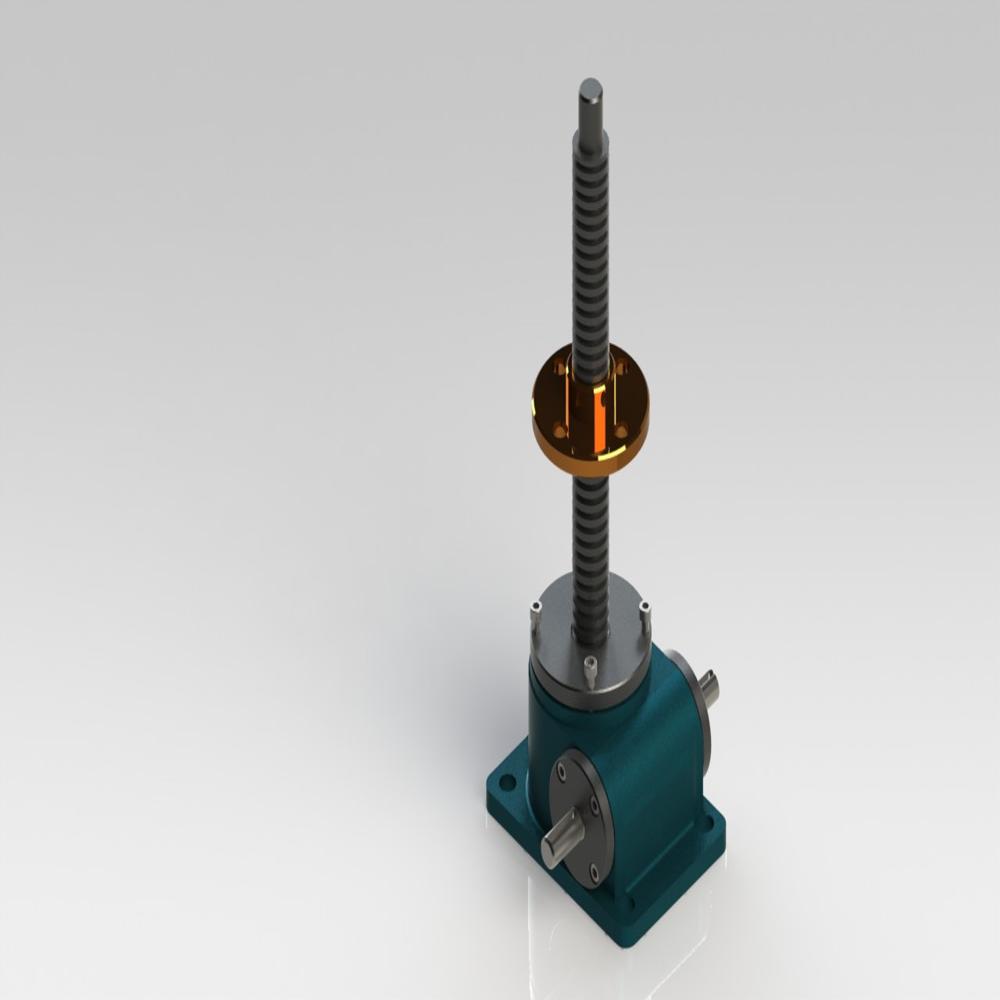
SFI Mechatronic Solutions Pvt. Ltd. SWJM Series Classic Jacks:
-
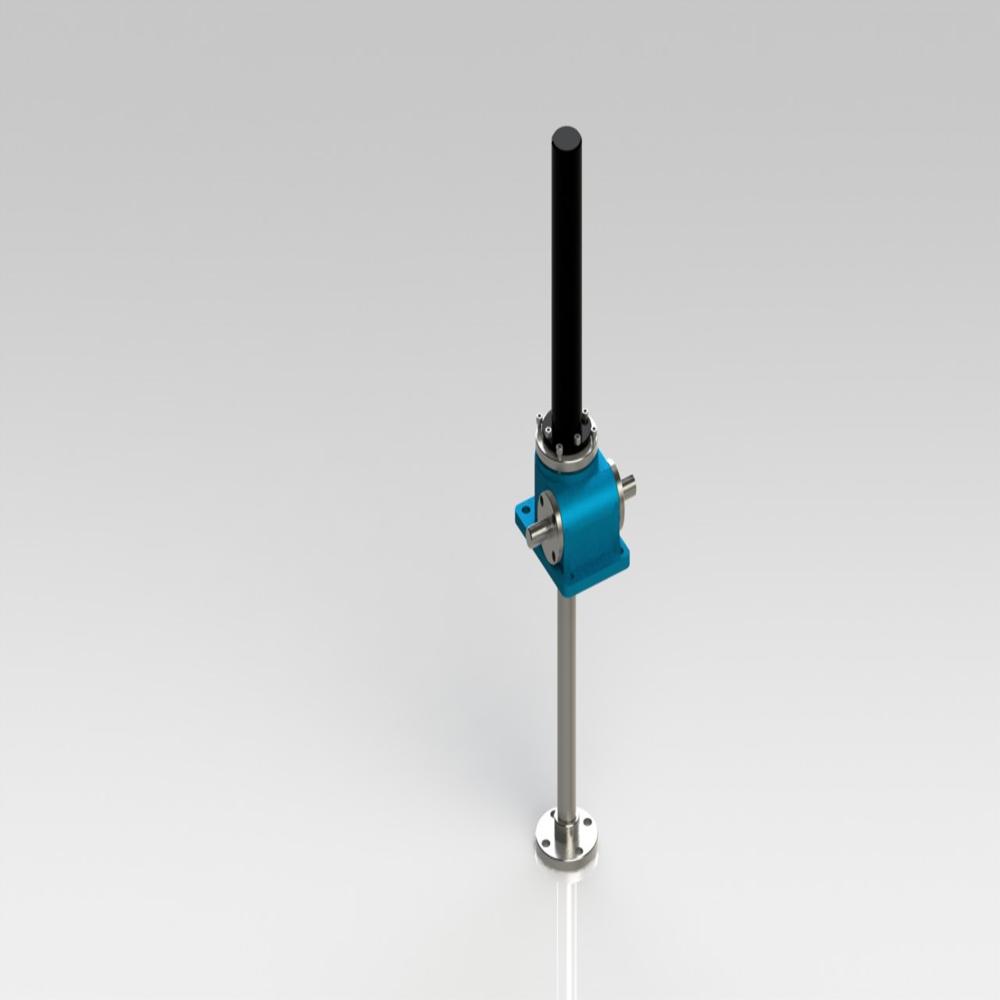
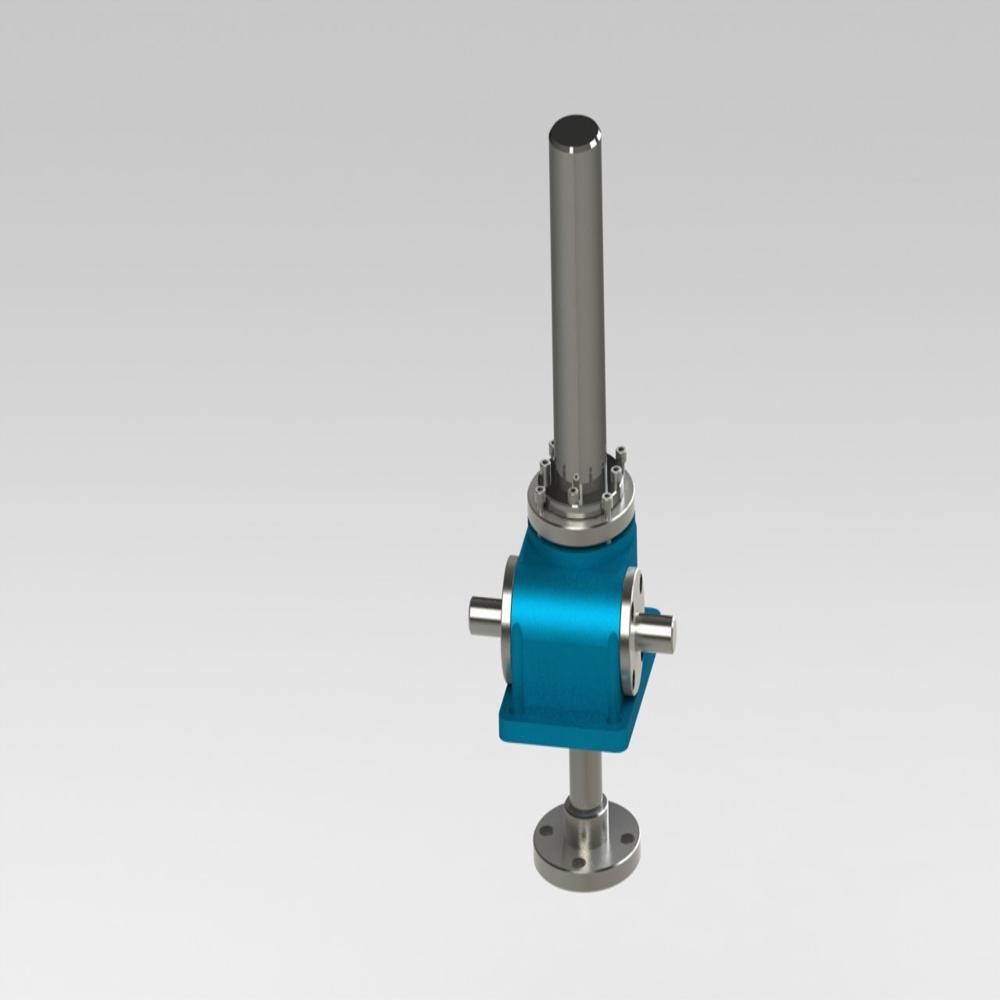
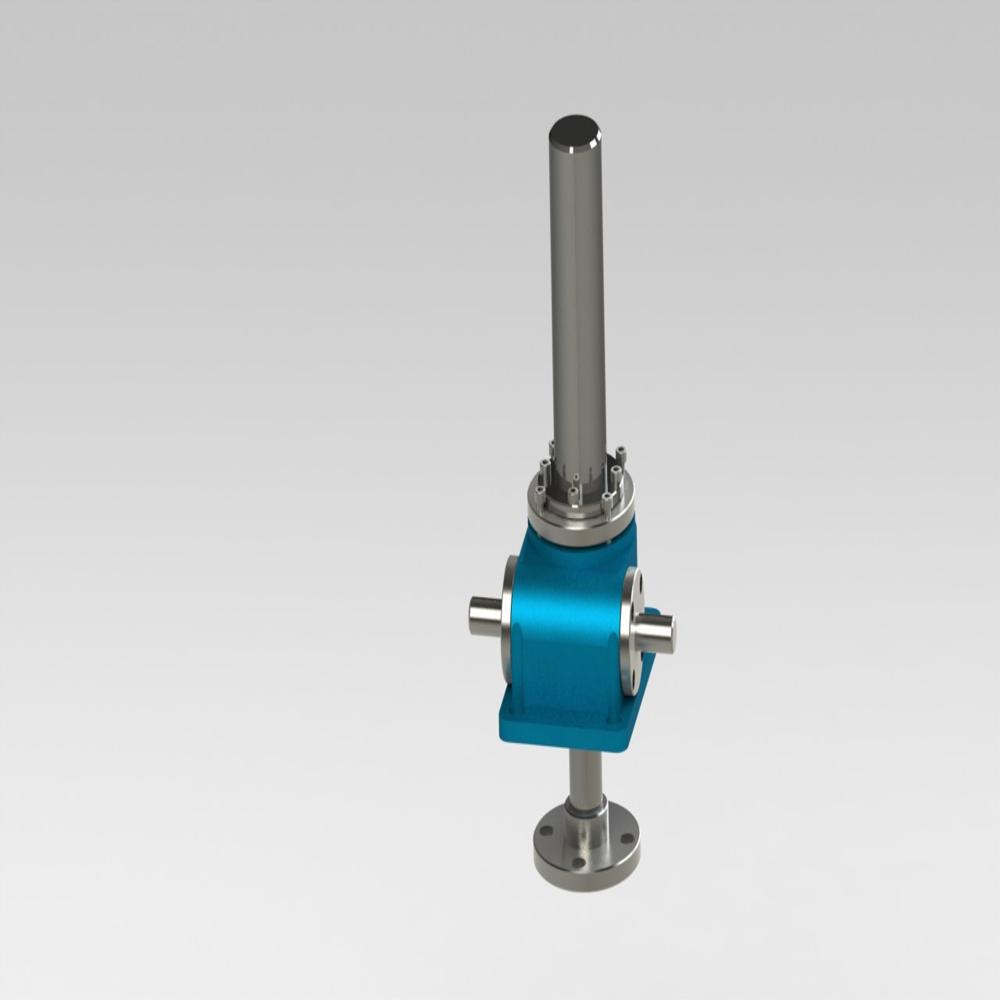
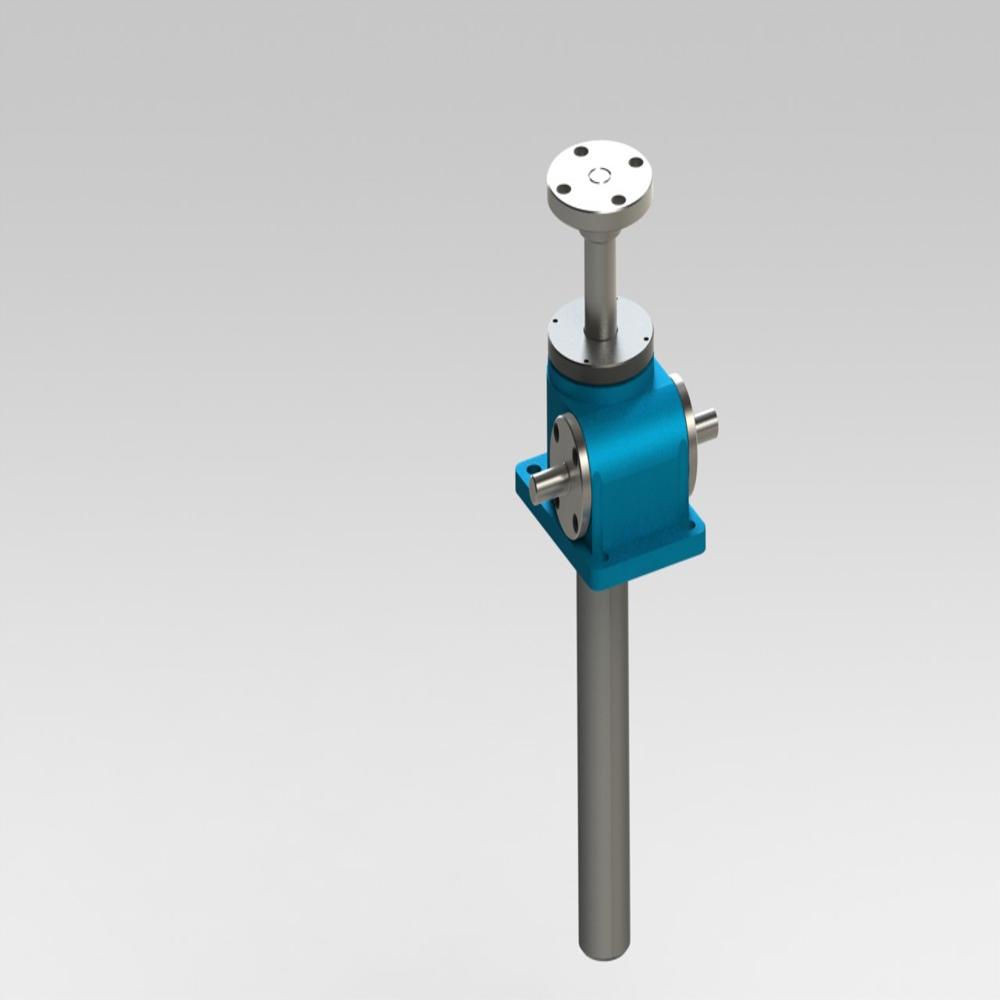
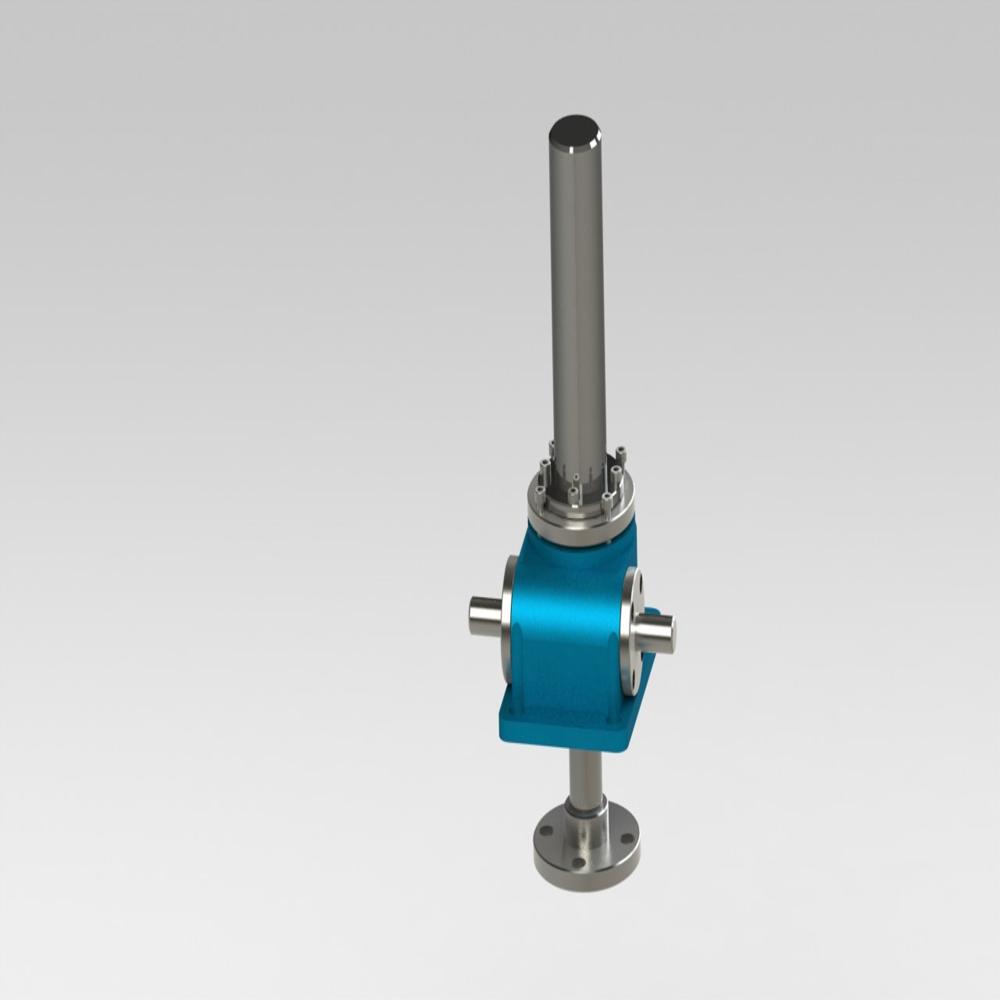
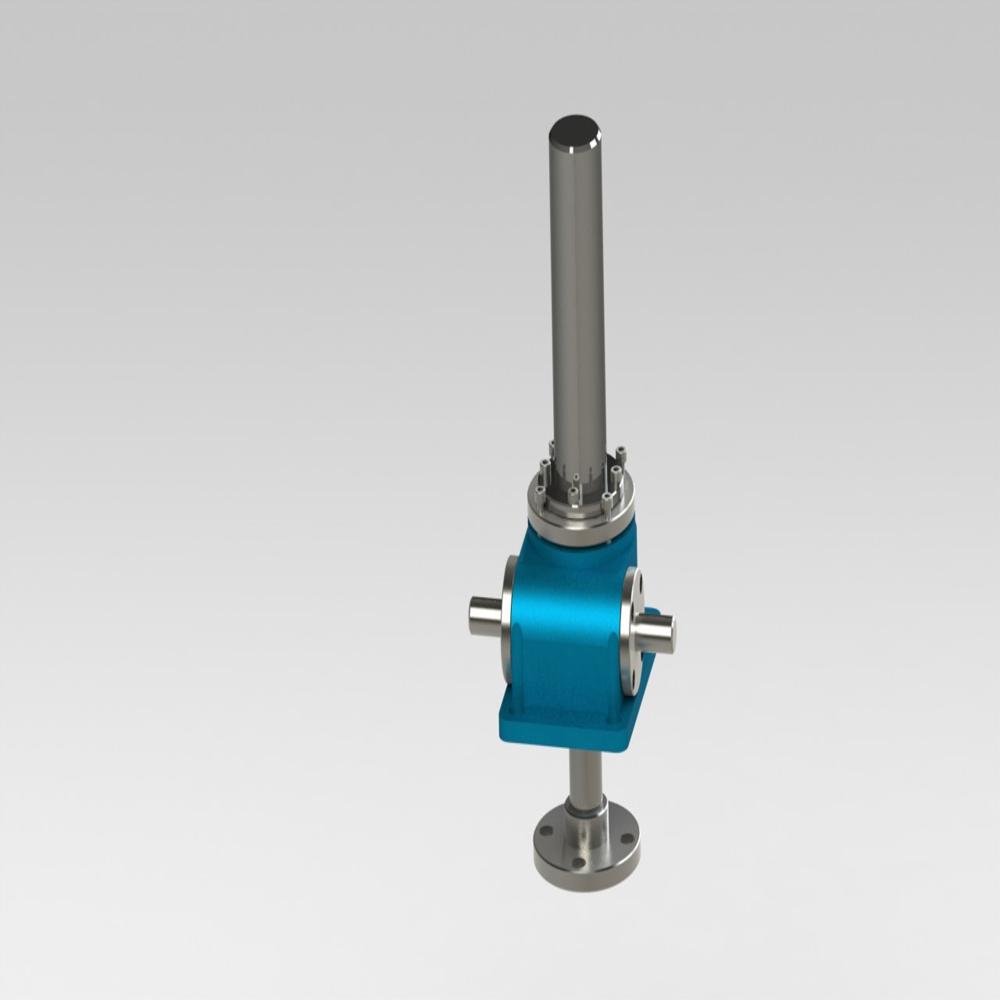
Precision Lifting with SWJM Series: Simran Flowtechs SWJM Series Classic Jacks provide smooth, accurate lifting for heavy-duty applications, ensuring reliable and consistent performance across various industrial environments.
-
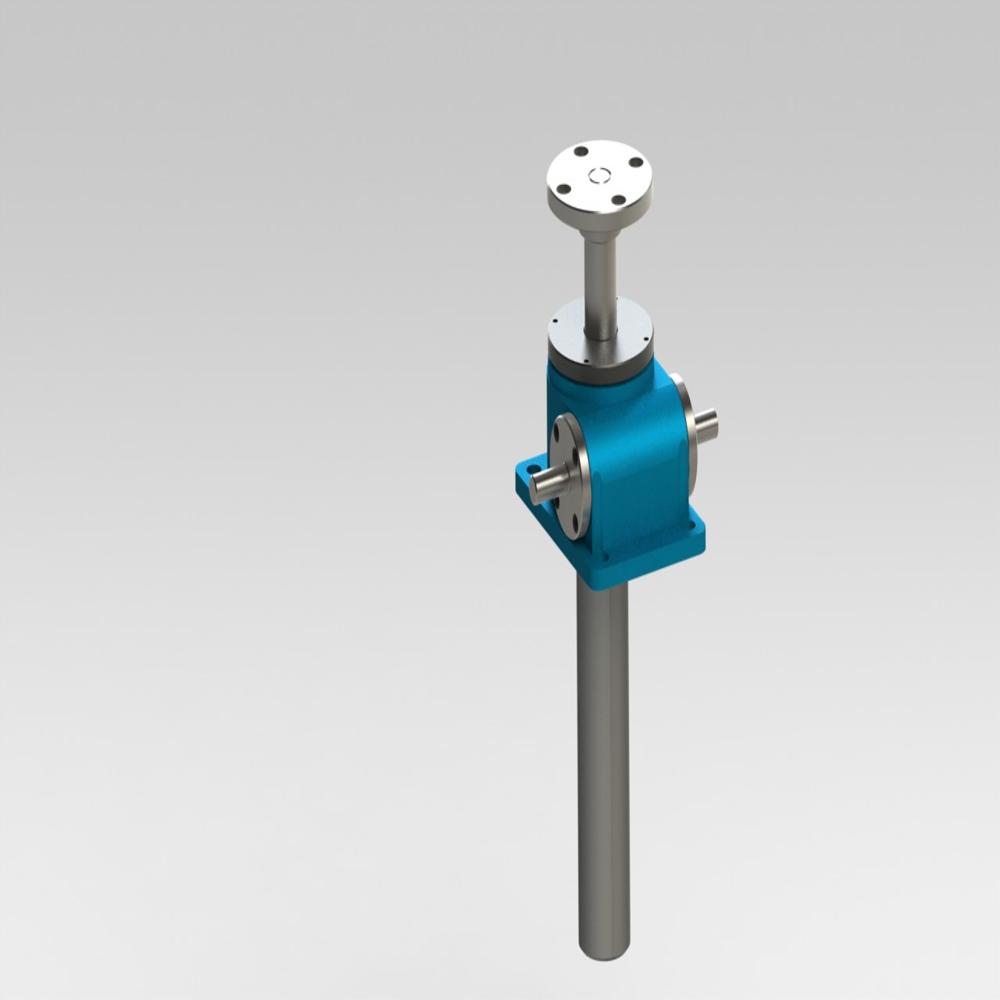
Robust & Efficient Bevel Gear Design: Our SWJM Series is equipped with durable bevel gears for superior efficiency, enabling consistent operation even under the heaviest loads.
-
Compact & Versatile Solution: The SWJM Series Classic Jacks feature a space-saving design, making them perfect for tight installations while maintaining powerful load-handling capabilities.
-
Multi-Jack Synchronized Operation: With seamless multi-configuration options, SWJM Series Classic Jacks are ideal for synchronized lifting tasks that require precise control and coordination.
-
Customizable to Fit Your Needs: Simran Flowtech offers the SWJM Series Classic Jacks in various sizes and configurations to suit your unique load, speed, and operational demands.
-
Minimal Maintenance, Maximum Uptime: Built for durability and easy maintenance, SWJM Series jacks deliver continuous high performance, reducing downtime even in the toughest industrial conditions.
-
Safe & Reliable Operation: The SWJM Series is engineered with safety in mind, incorporating anti-backlash features and load-holding mechanisms, ensuring stable and secure lifting in critical operations.
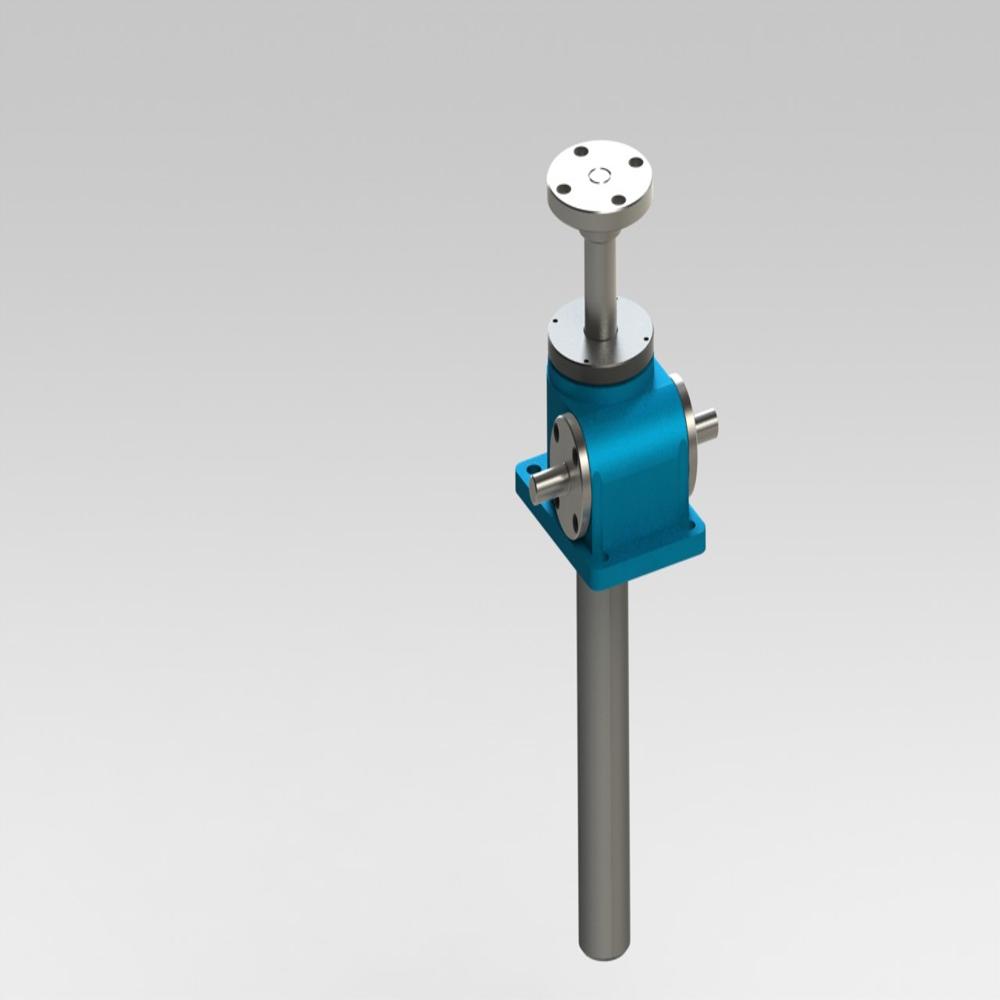
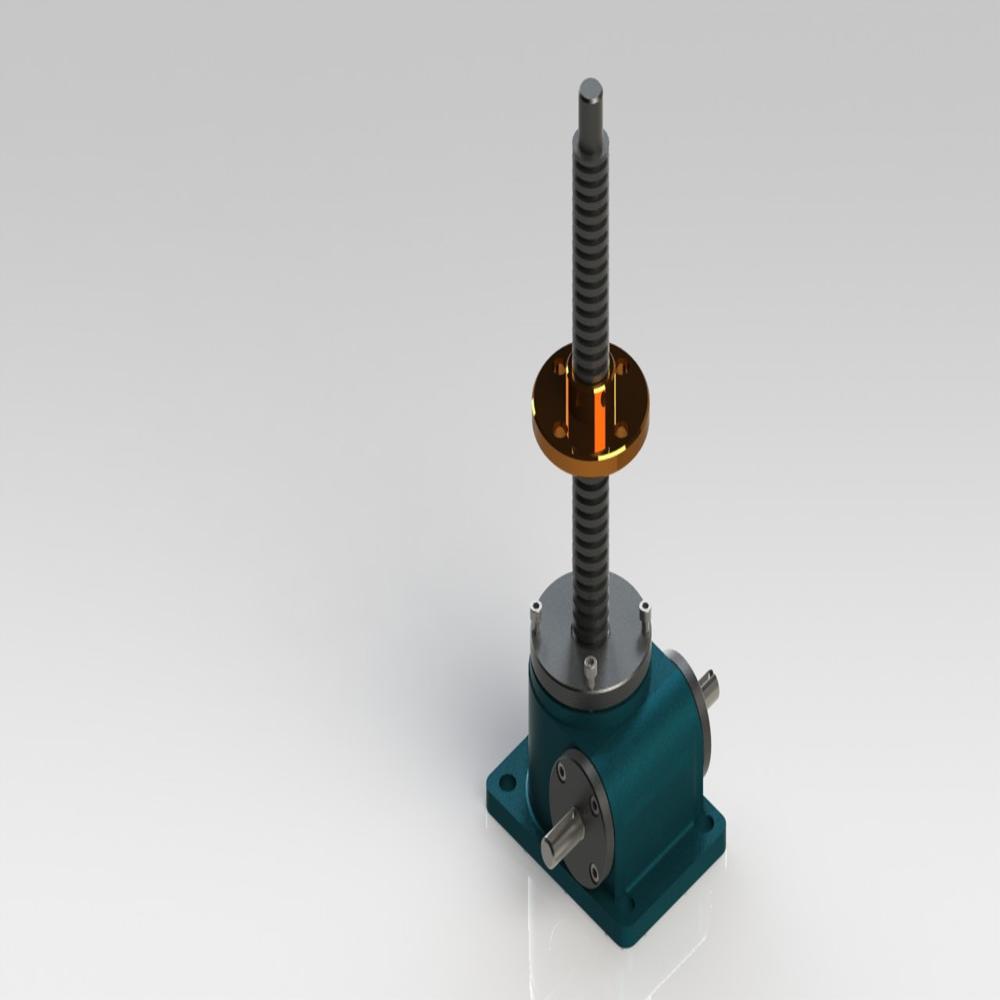
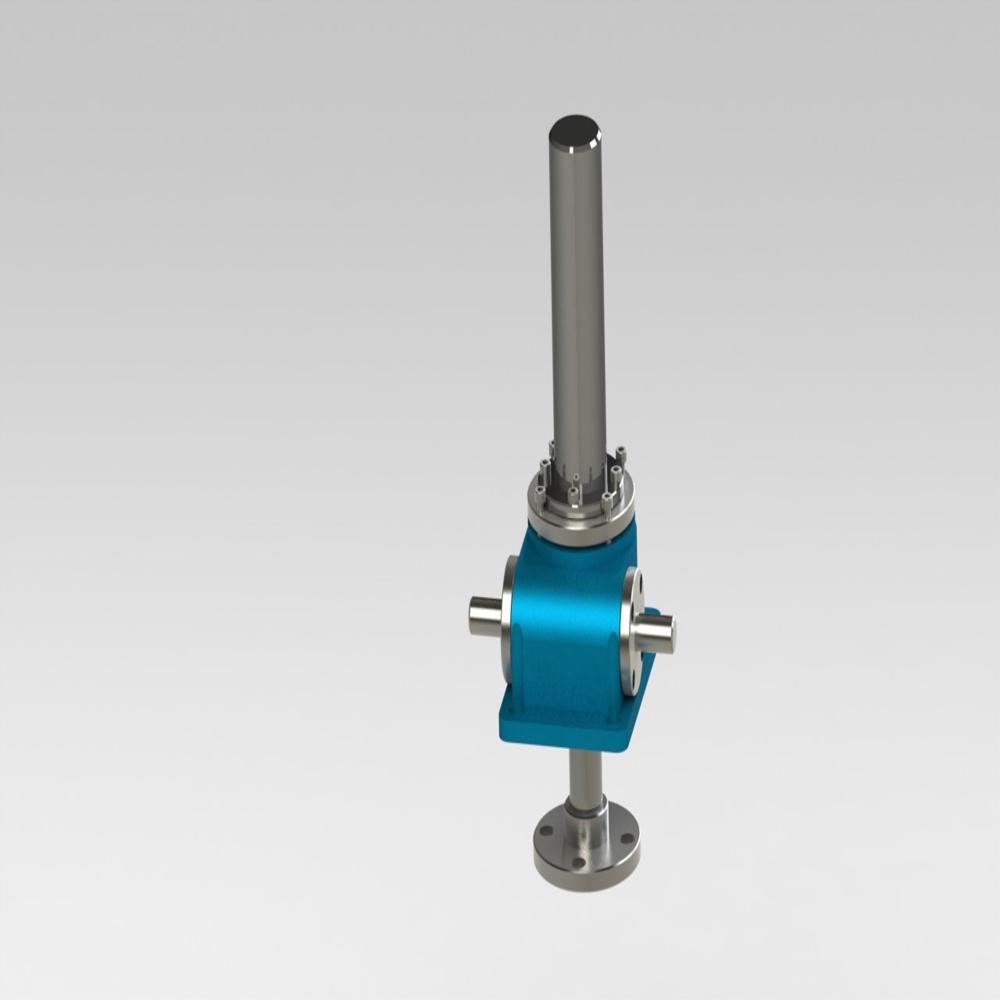
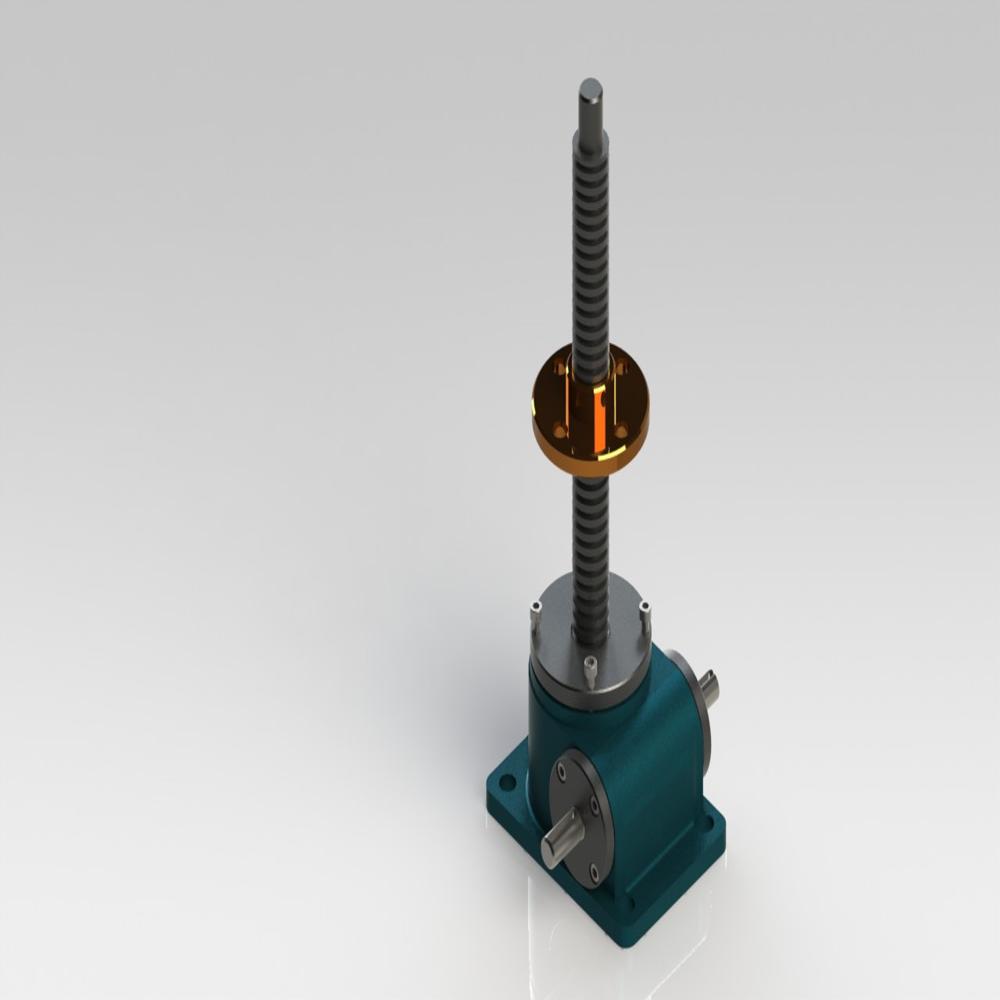
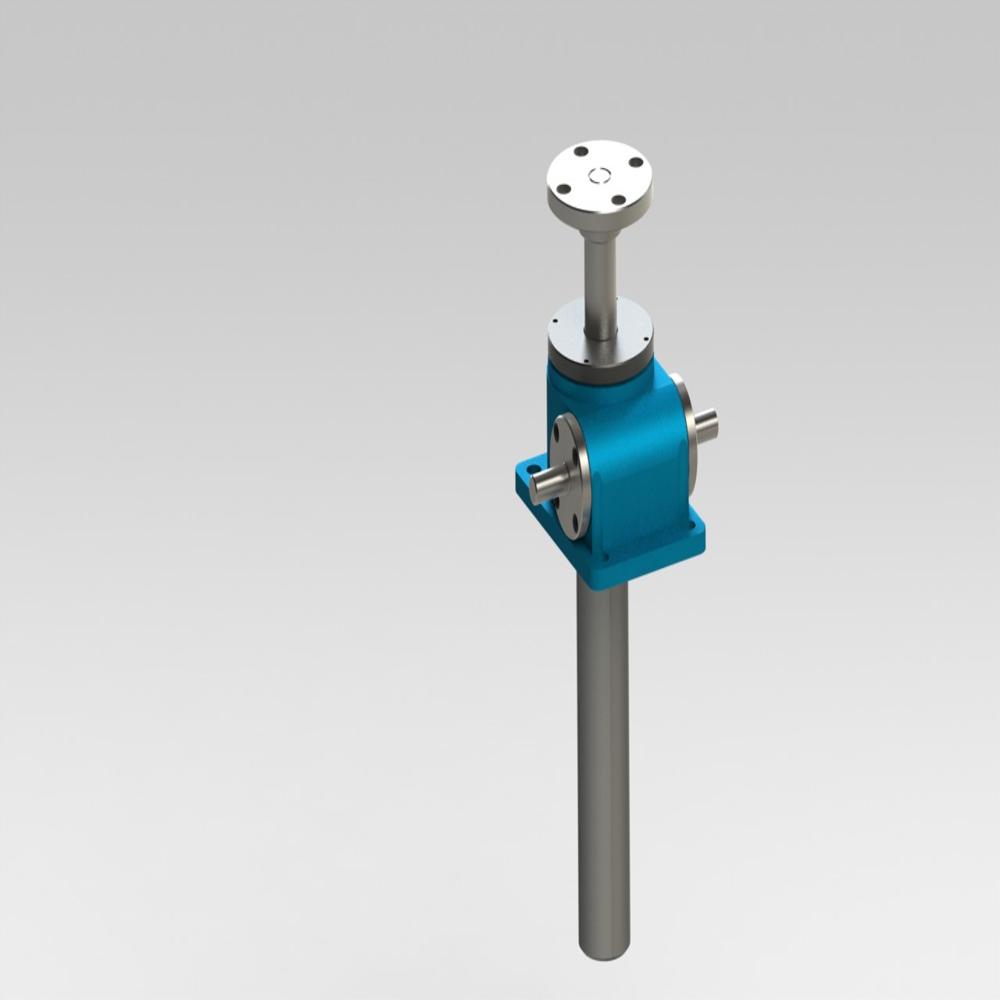
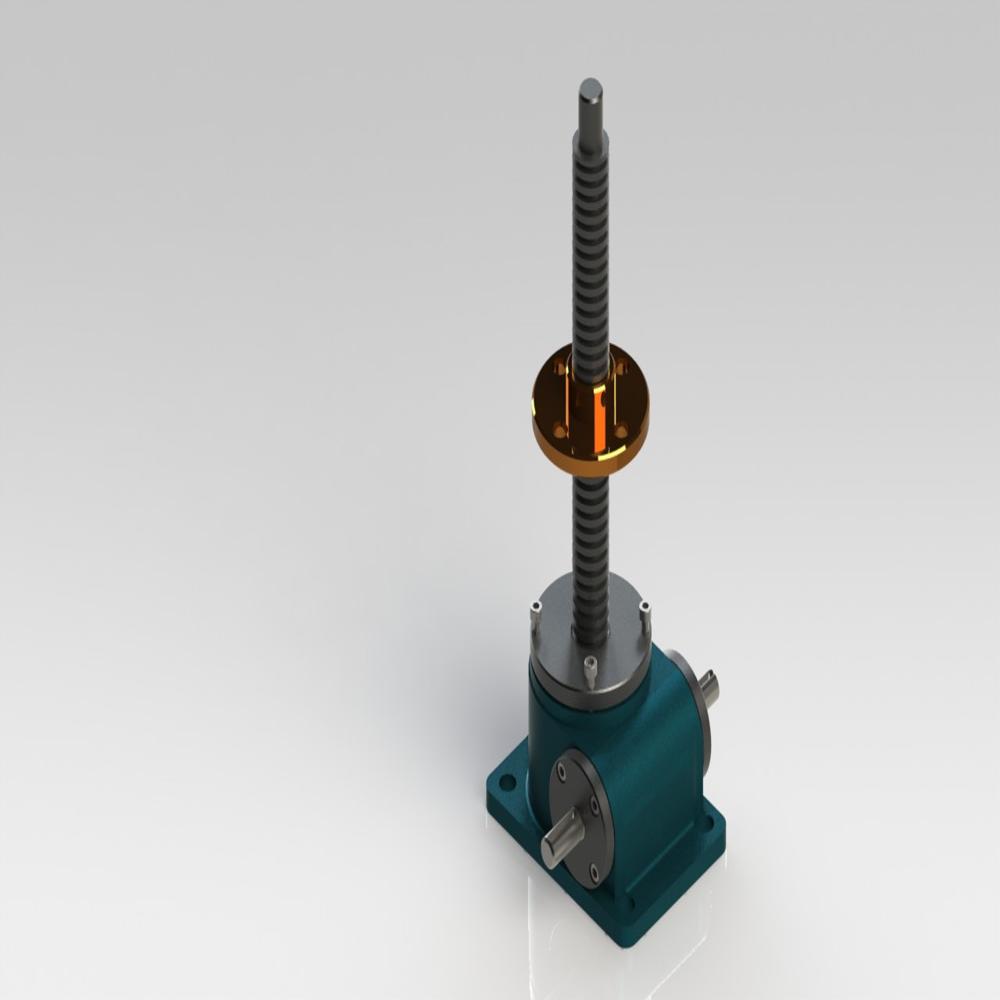
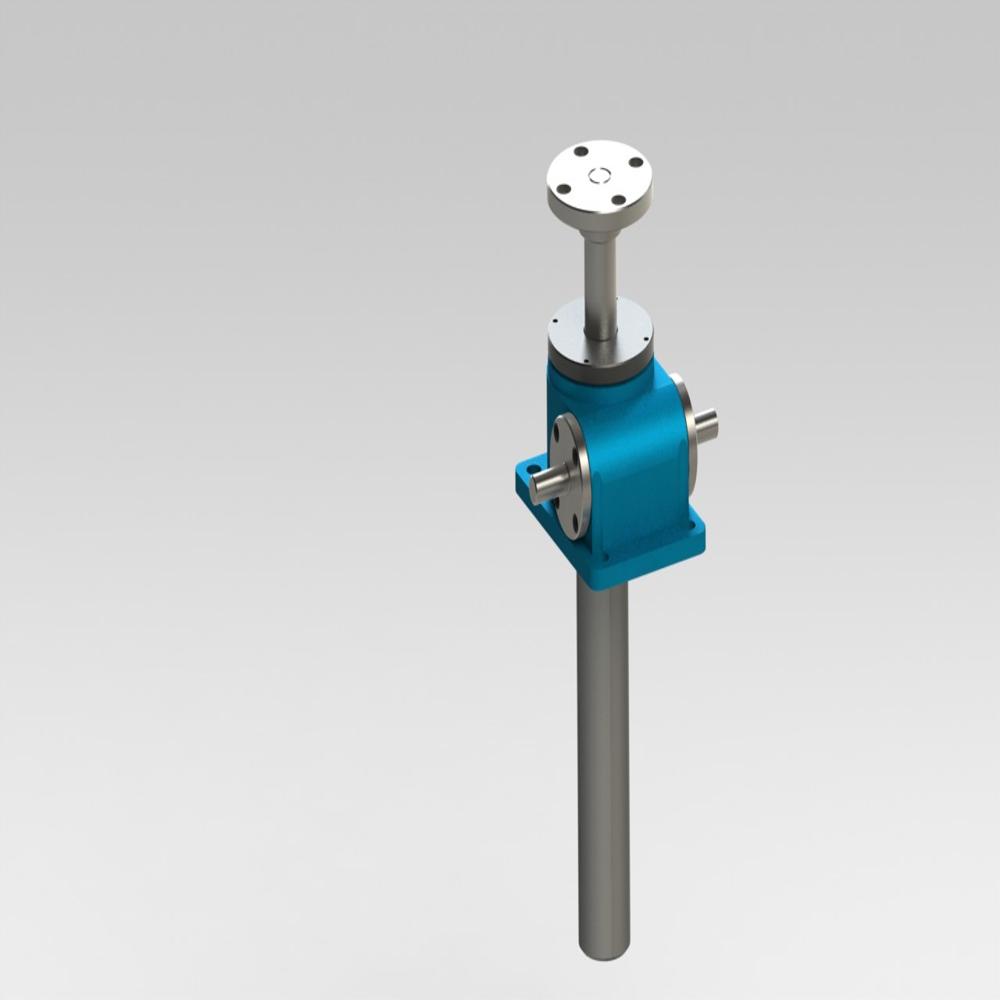
Robust and Customizable DesignBuilt with a cast iron body and steel screw, the screw jack is engineered to handle industrial requirements efficiently. The standard 100 mm travel can be customized to suit specific applications, while the base mounting and fixed top plate design give stability during lifting or lowering operations.
Reliable Performance in Diverse ConditionsOperating across a wide temperature range (-10C to +80C) and protected to IP54 level, this unit excels in varied industrial environments. Grease lubrication ensures smooth operation and extended service life, while the high withstand voltage guarantees safe usage during demanding electrical conditions.
FAQ's of Worm Gear Screw Jacks 0.5T:
Q: How does the Worm Gear Screw Jack 0.5T operate?
A: The jack functions by rotating the input shaft (20 mm diameter) using the included operating handle. This motion is transferred through a 24:1 gear ratio to a trapezoidal thread screw, enabling precise vertical movement and positioning for heavy loads up to 500 kg.
Q: What are the main benefits of using this screw jack in industrial applications?
A: The primary advantages include its robust construction, ability to handle up to 0.5 tons, customizable travel length, protection against dust and moisture (IP54), and stable performance across a wide temperature range, making it ideal for lifting, lowering, or positioning tasks.
Q: When should I consider customizing the travel length?
A: Customization of the travel length is recommended when your specific application requires movement beyond the standard 100 mm, or you need precise adaptation to fit unique installation requirements. Requests for custom travel can typically be discussed with the manufacturer before ordering.
Q: Where can this screw jack be installed?
A: It is designed for industrial environments and is best installed on a stable base mount. Its compact dimensions and IP54 protection allow it to fit into machinery, assembly lines, or automated lifting systems, both indoors and in sheltered outdoor areas.
Q: What is the recommended lubrication process for the unit?
A: The screw jack is grease lubricated. For optimal performance and longevity, periodically check and replenish the grease, especially after extended use or when operating in harsh conditions. Follow manufacturer guidelines for suitable grease types and lubrication intervals.
Q: How does the IP54 protection level benefit my application?
A: IP54 ensures the screw jack is safeguarded against limited dust ingress and water splashes from any direction, protecting internal components in industrial environments and reducing maintenance frequency and risk of operational failures.